Basketball Club Teams San Diego and the Importance of Consistent Practice
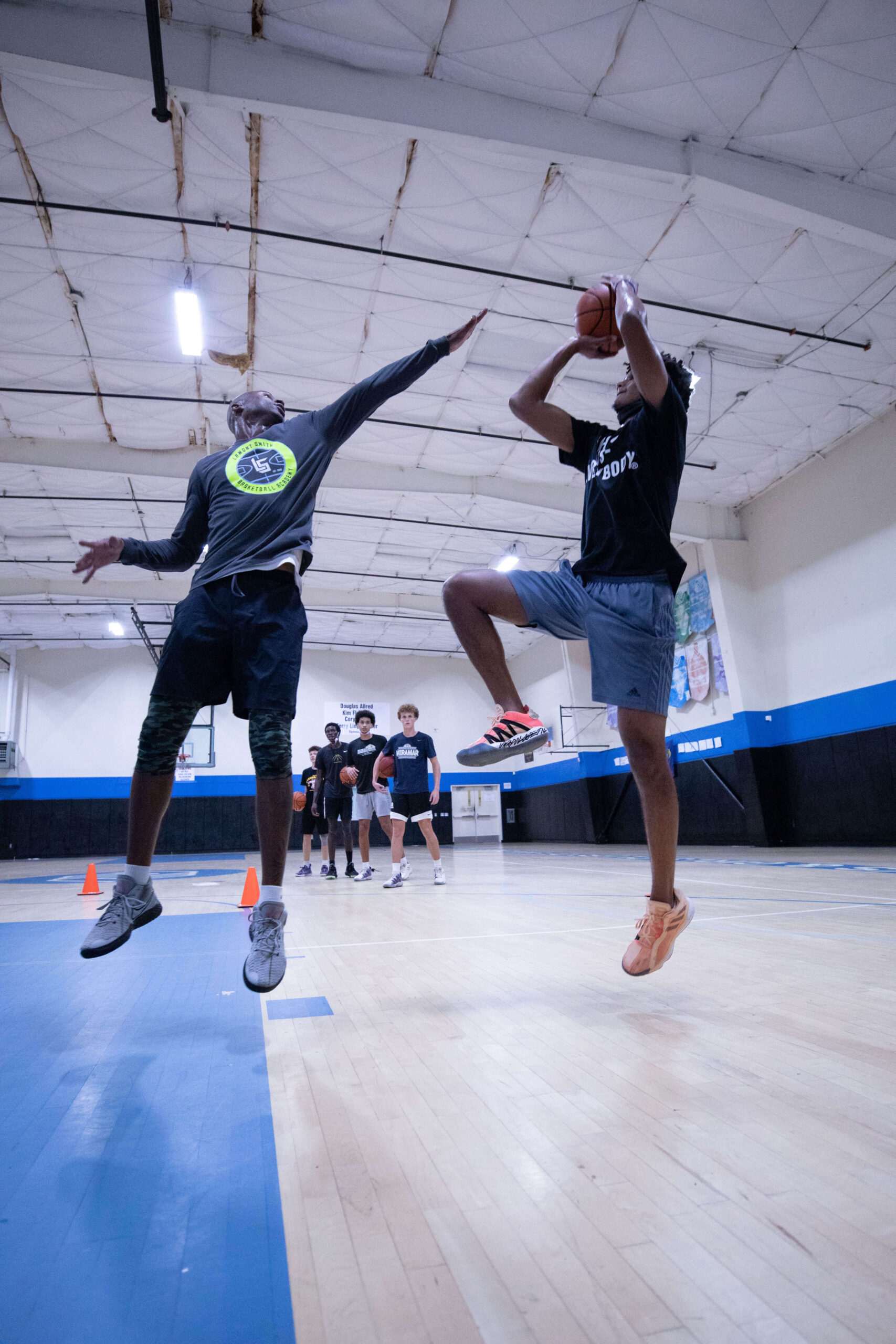

San Diego has no shortage of young players who love basketball. On any given weeknight, gyms in Clairemont, Chula Vista, La Jolla, Carlsbad, and East County are full of kids in reversible jerseys, parents in folding chairs, and coaches trying to squeeze one more teaching point into the last three minutes of practice. The energy is easy to spot. What is harder to see, especially from the bleachers, is the real difference-maker in player development. It is not the flashiest crossover, the most expensive shoes, or the number of tournament weekends packed into a calendar. It is consistent practice.
That matters even more in the world of Basketball Club Teams San Diego families know well. Club basketball can expose players to strong competition, serious coaching, and a broader basketball community. It can also create the illusion that games alone build players. They do not. Games reveal habits. Practice creates them.
Any coach who has spent years in youth basketball sees the pattern. A player looks great for a weekend, then flat the next. A team plays connected one month, then disorganized the next. Parents often assume confidence is the issue, or effort, or chemistry. Sometimes those things matter. More often, the root problem is simpler. The team has not practiced enough, or has not practiced well enough, often enough.
Why consistency changes everything
Practice is where basketball becomes automatic. A player can understand what a coach is saying, nod at every film clip, and still fail in live action because the body has not repeated the movement enough times. Basketball moves too quickly for slow decision-making. On defense, the closeout has to happen immediately. On offense, the catch, pivot, read, and pass have to come without hesitation. Consistency in practice shortens that gap between knowing and doing.
This is especially true at the club level, where teams may only gather a few times each week. In school programs, players often see each other daily during the season. Club teams are different. Schedules vary. Some athletes play multiple sports. Some commute long distances through San Diego traffic just to make a 90-minute session. Because time is limited, regular attendance and focused repetition become even more valuable.
A missed practice is not just one missed day. It is missed defensive terminology, missed timing with teammates, missed reps on weak-hand finishing, missed correction on footwork, missed conditioning, and missed accountability. Over a season, that compounds. A player who attends 90 percent of practices is not just slightly ahead of the player who attends 60 percent. In many cases, that player is operating on a different level of comfort and reliability.
The same principle applies to teams. A club group that practices with continuity begins to share an instinct. Help defenders rotate earlier. Guards know where shooters prefer the ball. Bigs set screens at better angles because they understand the pace of the ballhandler. None of that is glamorous, but it wins real possessions.
What good club practice actually develops
Parents sometimes judge development by the most visible skills, ballhandling tricks, deep threes, highlight passes. Those have their place, and players enjoy working on them. But experienced coaches usually look first at the habits that hold up under pressure.
Consistent practice develops footwork before flair. It teaches players how to stop on balance, how to land safely, how to pivot out of trouble, and how to defend without reaching. It sharpens spacing, which younger players often misunderstand because they are used to chasing the ball. It builds communication, not just yelling loudly, but saying the right thing early enough to help a teammate. It also builds decision-making. A player who repeats the same small-sided reads for months starts recognizing the right pass a split second sooner. That split second matters.
Shooting is a perfect example. Many families assume more shots automatically means improvement. That is only partly true. Good shooters usually have two advantages: sound mechanics and repeatable routines. A player who takes 300 rushed shots with bad balance may be reinforcing the wrong pattern. A player who gets 100 quality repetitions several times per week, with attention to footwork, release point, and follow-through, is more likely to improve over time. Practice consistency matters more than occasional volume spikes.
Defensive growth may be the clearest sign of serious practice. Offense gets attention, but defense tells you how connected a team is. Closeouts, shell rotations, tagging cutters, defending ball screens, boxing out, and sprinting back in transition are hard to fake. Teams that do those things well almost always come from a stable practice environment where expectations are repeated and enforced.
The San Diego factor
San Diego offers a strong basketball environment, but it also presents some real challenges. Geography is one of them. A family in North County may travel significant distance for practices or tournaments. Traffic can turn a short trip into a long evening. Weather, while generally favorable, can lull people into treating commitments casually because life feels less rigid than in colder climates where sports schedules dominate the season. Then there is the crowded youth sports market. Basketball competes with volleyball, soccer, baseball, football, surfing, and year-round academic demands.
That context makes intentional scheduling essential for Basketball Club Teams San Diego organizations. The best programs understand that player development has to fit family reality. They set practice schedules that are ambitious but sustainable. They communicate clearly. They avoid wasting gym time. They know a two-hour practice with poor pacing can do less for a team than a crisp 90-minute session with purpose.
San Diego also has a wide range of talent levels and goals. Some club teams are genuinely developmental, helping younger or less experienced players learn the game. Others are highly competitive and travel often. Consistent practice matters in both settings, but the emphasis may differ. For developmental teams, the goal is often building foundations and confidence. For high-level teams, practice sharpens details that separate close wins from close losses. Either way, the same truth holds. Improvement is built between tournaments, not during them.
The trap of tournament culture
Club basketball can become game-heavy in a hurry. Families may spend entire weekends bouncing between courts, and it can feel productive because everyone is busy. Exposure, competition, and experience are useful, but there is a point where more games stop helping. A player who struggles to keep defenders in front, makes the same careless passes, or fades on every jumper does not need five more games that weekend. That player needs practice.
I have seen talented teams play six games in three days and come home with the same weaknesses they left with. I have also seen less talented groups improve dramatically over eight weeks because they trained with structure and consistency. The difference was not desire. It was repetition with feedback.
Games create emotional highs and lows. Practice creates stability. When a team leans too heavily on tournaments, every result feels oversized. One bad bracket game becomes a crisis. One strong weekend creates false confidence. A steady practice schedule gives coaches a better read on what the team actually is and what it is becoming.
That does not mean tournaments lack value. They test poise, fitness, and adaptability. They expose players to different styles and speeds. They show whether teaching is transferring. But the healthiest club environments treat games as evaluation and practice as construction. That balance is where development lives.
What players gain beyond skill work
The phrase "consistent practice" can sound mechanical, as if the only goal is technical improvement. In reality, some of the biggest gains are mental and behavioral.
Players who practice consistently tend to become more coachable. They hear the same language enough times that correction feels normal, not personal. They start understanding why a coach keeps emphasizing details. They also build resilience. A player who struggles through a difficult drill on Tuesday and returns sharper on Thursday learns something far more valuable than a single move. That player learns how growth actually works.
Consistency also teaches responsibility. Club basketball asks young athletes to manage school, rest, nutrition, travel, and social life. Showing up prepared, on time, and ready to work is part of the training. Coaches notice it. Teammates notice it. Over time, reliability becomes part of a player's identity.
There is a confidence that comes from preparation, and it is different from swagger. Real basketball confidence is quiet. It comes from knowing you have defended this action a hundred times, shot this corner jumper a thousand times, and practiced this press break until it no longer feels rushed. That kind of confidence tends to hold up when a gym gets loud.
What coaches should look for in practice habits
Not every practice environment is equal. Some teams practice often but do not improve much because the sessions lack focus. Others improve quickly because every segment has a purpose. For families evaluating Basketball Club Teams San Diego programs, the quality of practice should matter at least as much as a team record.
A strong practice usually has pace, but not chaos. Players are moving, learning, and repeating meaningful actions. Coaches are teaching details rather than giving constant speeches. There is a balance between skill work, decision-making, and team concepts. Conditioning is present, even if it is built into competitive drills rather than isolated running. Most important, there is accountability. Sloppy cuts, lazy closeouts, and poor communication get corrected.
You can often tell a lot from small moments. How long do players stand in line? Do coaches know individual tendencies? Are mistakes used as teaching opportunities or just punished with frustration? Does the team spend time on weak-hand finishes, defensive stance, rebounding angles, and passing under pressure, or only on offensive sets? Good club programs understand that fundamentals do not become less important as competition rises. They become more important.
The role of parents in building consistency
Parents influence practice consistency more than they sometimes realize. Transportation, scheduling, sleep routines, and even post-practice conversations shape how a player experiences club basketball.
The most helpful parents are not the loudest or the most analytical. They are the ones who make steady participation possible. They treat practice as a priority, not as an optional add-on if homework happens early or if the week feels convenient. They help players arrive fed, hydrated, and mentally settled. They understand that development can look uneven from week to week.
A useful rule for parents is simple:
- Judge progress over months, not days.
- Ask your player what they learned, not only how they scored.
- Protect sleep, especially after late practices and travel weekends.
- Communicate conflicts early instead of disappearing from the schedule.
- Choose programs that value teaching, not just branding.
Those habits sound ordinary. They are. That is exactly why they matter. Most durable player growth comes from ordinary discipline repeated for a long time.
Practice volume versus practice quality
How much practice is enough depends on age, skill level, physical maturity, and the overall sports load a player is carrying. A ten-year-old does not need the same structure as a varsity-level high school guard aiming to play in college. Still, one pattern is hard to dispute. Smaller, steady doses beat sporadic overload.
Two or three focused team practices each week, supported by brief individual work at home or before school, often produces better results than one marathon team practice and a random burst of shooting once every couple of weeks. The body and brain respond well to repeated exposure. Skills stay fresh. Corrections stick better. Conditioning builds more safely.
Quality matters just as much as volume. A player can technically attend every session and still drift through practice. Coaches know the difference between attendance and engagement. The best progress usually comes from players who compete in drills, listen actively, ask clarifying questions, and work on weak areas without being chased.
This is also where overtraining becomes a real concern. Some club athletes stack school ball, private training, strength sessions, open gym runs, and weekend tournaments until the schedule becomes counterproductive. Fatigue changes mechanics, shortens tempers, and raises injury risk. Consistency should not mean constant exhaustion. Good coaches and families know when to push and when to scale back.
A realistic week for a developing club player
For many players, the sweet spot is not extreme. It is structured. A middle school or early high school athlete on a club team might attend two to three team practices per week, play games on some weekends, and add short individual sessions focused on shooting form, ballhandling, and finishing. Those individual sessions do not need to be dramatic. Thirty to forty-five minutes done well can be enough, especially when the work is specific.
Here is where simple routines help:
- Start with footwork and form before speed.
- Build weak-hand reps into every skill session.
- Finish with game-speed shots, not only stationary ones.
- Include defensive movement, even when practicing alone.
- Track effort and habits, not just made shots.
A player who follows that kind of structure consistently for six months often makes visible strides. Better balance. Cleaner handle under pressure. Fewer rushed decisions. Stronger conditioning in the fourth quarter. None of those changes happen overnight, but together they raise a player's floor and ceiling.
The players who benefit most from consistency
Every athlete improves from steady work, but a few groups benefit especially fast.
Late starters often gain ground quickly when they finally enter a consistent training environment. They may be behind in game experience, but many are highly coachable because everything feels new and important. Players going through growth spurts also need regular practice to adjust to changing coordination and timing. Without it, they can become frustrated and lose confidence in skills they used to perform easily.
Role players may gain the most from all. A team's star usually gets noticed no matter what. The player who sets solid screens, defends multiple positions, rebounds, and makes the extra pass earns trust through repetition. Coaches rely on players whose habits hold up every week. That trust often turns into more minutes, tighter game roles, and eventually bigger opportunities.
Even naturally gifted players need the anchor of routine. Talent covers mistakes at younger ages. As competition rises, it stops being enough. Players who once dominated on athleticism alone start facing defenders who are just as quick and stronger mentally. Consistent practice is usually where the talented player either matures or stalls.
What sustainable improvement looks like
Real improvement is not always dramatic. Sometimes it shows up in quieter https://garrettafgx167.talesignal.com/posts/what-parents-should-know-about-basketball-club-teams-san-diego ways. A guard picks up the ball less often under pressure. A wing stops drifting on catch-and-shoot attempts. A post player seals earlier and with better leverage. A defender talks through switches instead of reacting late. Those are meaningful changes, and they come from repeated practice more than sudden inspiration.
Coaches who have been around long enough stop chasing quick fixes. They know that if a team practices consistently with standards, the game starts to simplify. Turnovers drop. Defensive effort becomes less negotiable. Shot selection improves. Players trust one another more because they have seen the same actions over and over in the gym.
That is why the best Basketball Club Teams San Diego families can find are usually not the ones making the boldest promises. They are the ones building dependable practice cultures. They value attendance, detail, communication, and progression. They understand that winning and development are not enemies when the foundation is right. One often feeds the other.
For a young player, club basketball should be more than a collection of tournament photos and jersey numbers. It should be a place where discipline turns into confidence, where repetition sharpens instinct, and where practice carries enough meaning to change what happens when the game gets tight. Consistent practice is not the most exciting part of the sport from the outside. From the inside, it is the part that makes everything else possible.
Lamont Smith Basketball Academy
888 Clairemont Mesa Blvd Suite T-2, San Diego, CA 92123
(619) 639-8778
FAQ About Basketball Club Teams San Diego
How can a player join an LSBA club team?
Players are evaluated during practices so the coaching staff can recommend an appropriate team and development level. Families should contact the academy to confirm current openings and evaluation details.
Are club teams available for newer basketball players?
Yes. LSBA describes multiple levels, including a developmental option for newer players as well as more competitive teams for athletes with prior club experience.
What do LSBA club team practices emphasize?
Practices emphasize basketball fundamentals, team defense, structure, communication, and player development. The specific focus may vary according to the team and experience level.
Do all LSBA teams travel?
Travel expectations vary by level. Some teams focus on local competition, while advanced teams may participate in tournaments elsewhere in Southern California or beyond. Families should confirm the current schedule before enrolling.